Proper Sources (Evidence)1
| Source Type | Scholarly? | Advantages | Disadvantages | Best Tools for Finding This Source |
|---|---|---|---|---|
| Books | Sometimes. Verify the author’s credentials and look for references or footnotes. | Offer detailed information and typically go through an editorial process to ensure quality. | Can be outdated and may contain biases. The editorial process is not foolproof. | Library catalogs, online bookstores, Google Books |
| Peer-reviewed Articles | Yes | Written by experts, peer-reviewed to ensure validity, originality, and significance. | Can be complex and difficult for non-experts to understand. The peer-review process is imperfect. | Academic databases like JSTOR, PubMed, Google Scholar |
| Magazine and Newspaper Articles | No. These sources can be credible but are not scholarly. | Provide commentary, generally easy for a broad audience to understand. | Can be influenced by current trends and may contain information later disproven. | Library databases, online news archives, Google News |
| Websites | No. Websites can lead to scholarly sources if references are provided. | Easily accessible and familiar to most users. | Requires careful evaluation to ensure credibility. | Google, educational institutions’ websites, online encyclopedias like Britannica |
Proper Sources (People)
| Source Type | Scholarly? | Advantages | Disadvantages | Best Tools for Finding This Source |
|---|---|---|---|---|
| Subject Matter Experts (SMEs) | Yes | Offer deep insights and authoritative opinions based on extensive experience and expertise. | May have biases based on their field or past experiences. | Professional associations, LinkedIn, academic institutions’ directories |
| Industry Professionals | Often | Practical knowledge and real-world application of theories and concepts. | May lack theoretical knowledge or scholarly background. | Industry forums, company websites, professional networking sites. |
| Journalists and Reporters | Sometimes | Skilled in research, often provide well-rounded, investigative insights. | May lack depth in technical knowledge, can be influenced by biases. | News organizations, journalist profiles on social media |
| General Public (Anecdotal Evidence) | No | Provide diverse perspectives and real-life experiences. | Anecdotal and not necessarily representative or reliable. | Social media, forums, community groups |
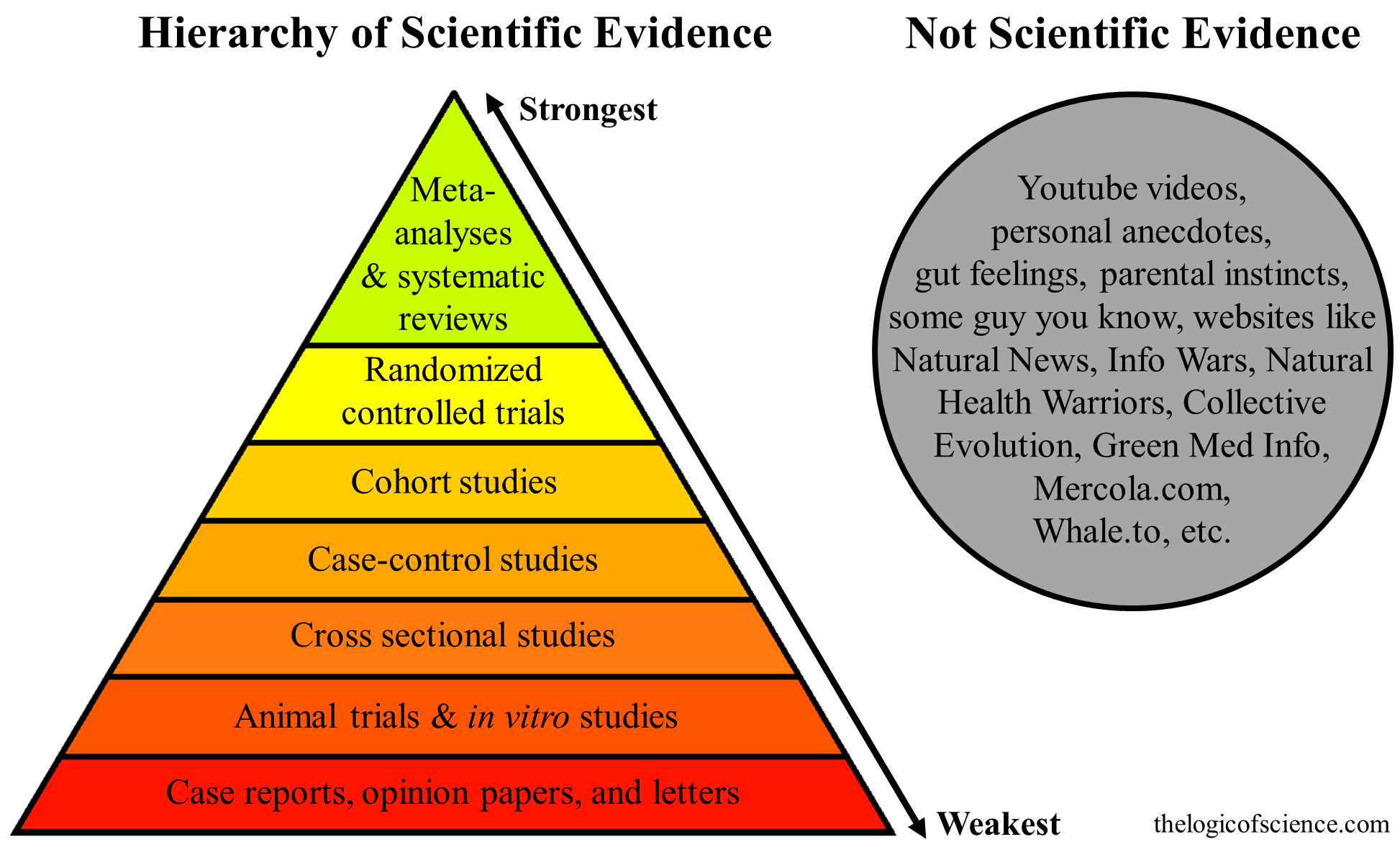
References
-
Adapted from University Libraries, University at Albany. ↩